
indsey Vonn didn't just return to ski racing—she rewrote the script. At 40, after a decade of injuries that would have ended most careers, she stood in the starting gate at St. Anton in January 2025 and finished 14th in a downhill. Not a podium, but a statement. The fact that she was there at all, with a titanium knee and a rebuilt shoulder。speaks to a stubbornness that has defined her since she first clipped into skis at age seven in Minnesota.Vonn's career stats are absurd: 82 World Cup wins, four overall titles。three Olympic medals. But numbers flatten the story. I remember watching her 2010 Olympic downhill run in Whistler—the way she attacked the course with a kind of controlled fury, her skis chattering over ice, her jaw set. She won gold that day, then wept in the finish area, clutching her injured shin. That image stuck: vulnerability wrapped in ferocity. Few athletes show both so openly.
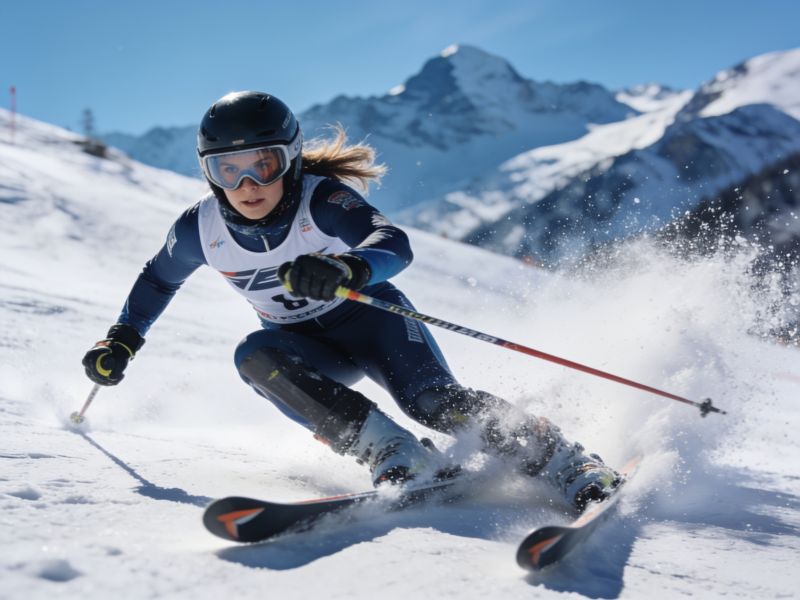
What makes Vonn's comeback different from a typical farewell tour is the lack of sentimentality. She's not out there waving to crowds. She's chasing points, testing equipment, tweaking her line. In a sport where most women retire by 30, she's a case study in longevity. Sports scientists point to her strength training—she deadlifts more than some NFL linebackers—and her refusal to dull her edge. "I still believe I can win," she told reporters after a training run in Cortina. That belief may be delusional。but it's also the engine that drove 82 victories.The skepticism is fair. Vonn's knee is essentially a science experiment, and her return has raised questions about safety and wildcard entries. But watching her ski, the technical precision is still there—the early edge set, the clean transitions. She's not the dominant force of 2012, but she's not a tourist either. In a sport that often celebrates youth。Lindsey Vonn is a reminder that ambition doesn't age out quietly.